
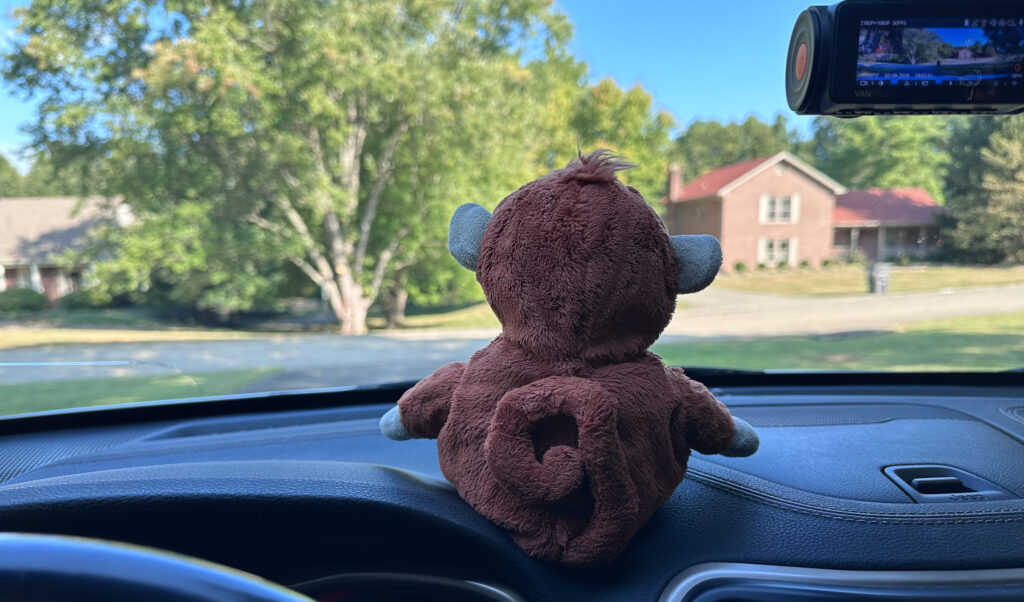
While Buddy and I truly enjoy flying, we also enjoy taking road trips.
I touched on personal minimums briefly in my Memorial Day post, but the topic deserves its own space. It’s one of the most useful habits I carry over from flying, and it applies just as much to a road trip as it does to a cross-country flight.
What Personal Minimums Actually Are
Every pilot operates under two sets of limits. The legal limits — what the FAA and aircraft manufacturer say you’re allowed to do. And your personal minimums — the tighter limits you set for yourself, in advance, before you’re anywhere near the airplane. Personal minimums are based on your overall experience, knowledge and familiarity with the aircraft. Maybe the legal crosswind limit for your aircraft is 20 knots, but your personal minimum is 15. Maybe you’re legal to fly with a certain ceiling and visibility, but you’ve decided you personally won’t go below something more conservative.
The reason personal minimums work is that you set them on the ground, in a calm moment, with a clear head — not in the air, with a schedule to keep and pressure to get somewhere. By the time conditions actually test your limits, the decision is already made. You don’t have to negotiate with yourself in the moment, and that’s exactly when your judgment is least reliable.
Driving deserves the same discipline, and most people never think to apply it.
My Driving Personal Minimums
Here’s what I hold myself to on any road trip of real distance:
- Maximum 10 hours of driving in a day. Not 10 hours because I’m capable of more — I probably am — but because fatigue is exactly the kind of risk that doesn’t announce itself until it’s already a problem. That is straight driving time, not accounting for stops.
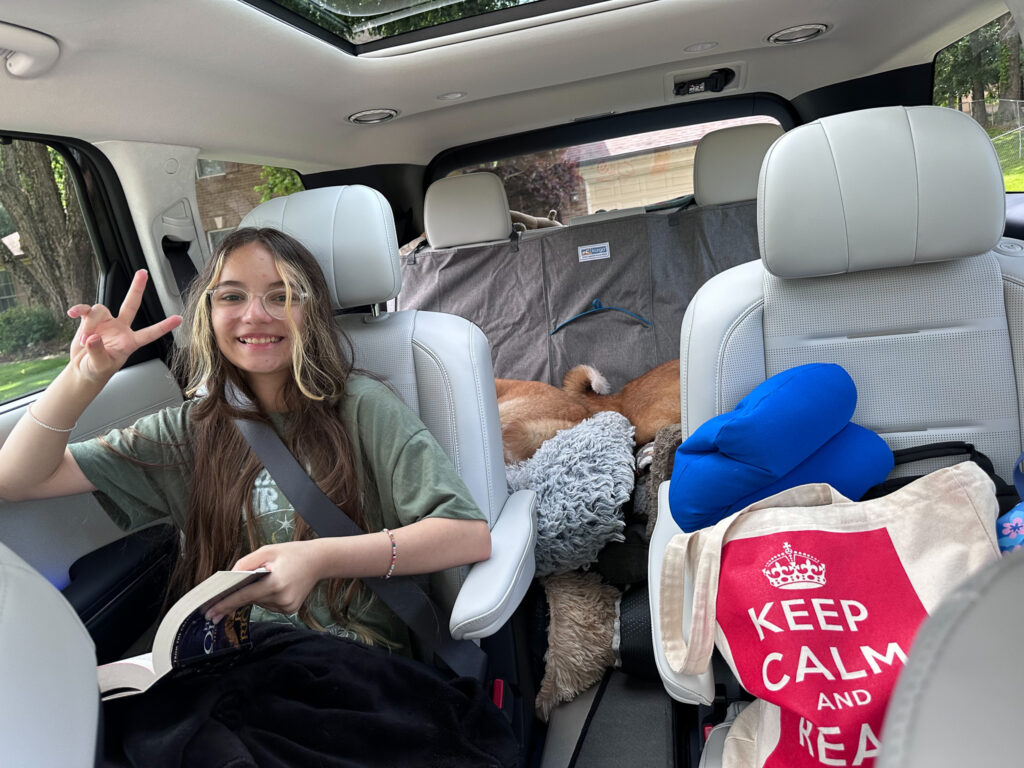
- A break every 3 to 4 hours, minimum. Out of the car, moving around, resetting. Not just a fuel stop where I stay in the seat. I also travel with my two dogs on every road trip, so those breaks are essential for them to get out, walk and go potty.
- Stop overnight rather than push through on very long trips.
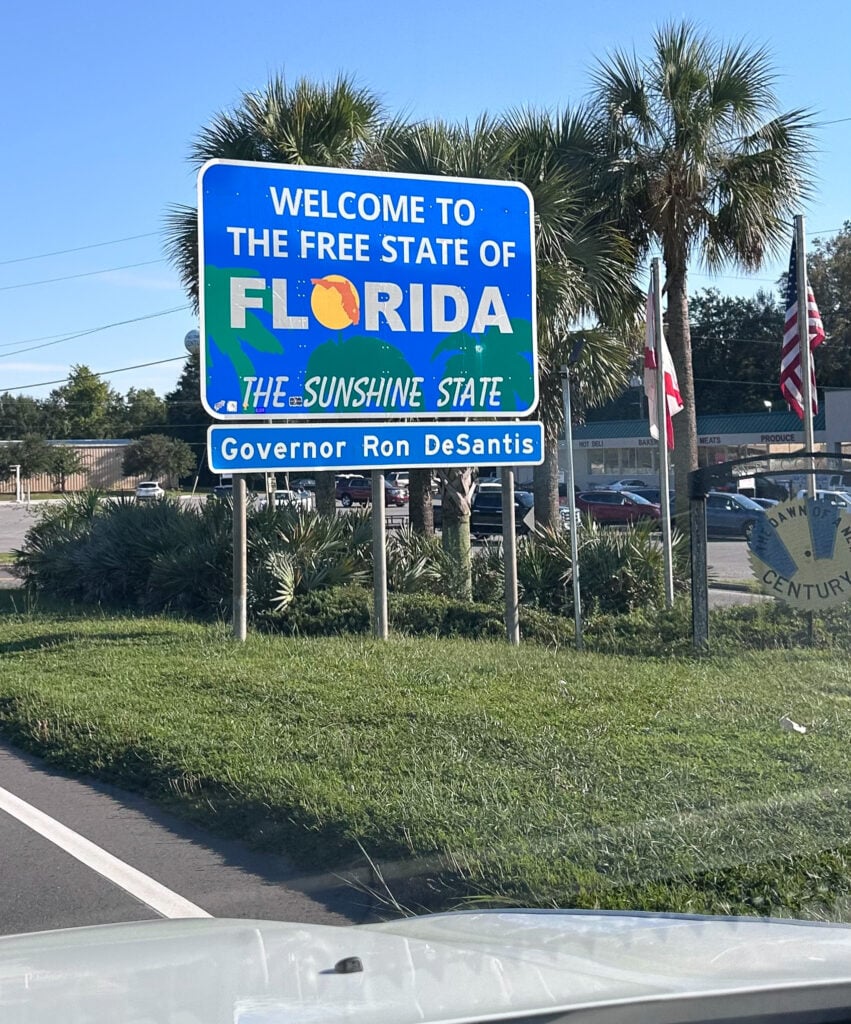
- I’ve made the drive from Kentucky to Florida more than once, and the version of that trip where I stop for the night instead of grinding out the last few hours is always the better one — not just safer, but a better trip.
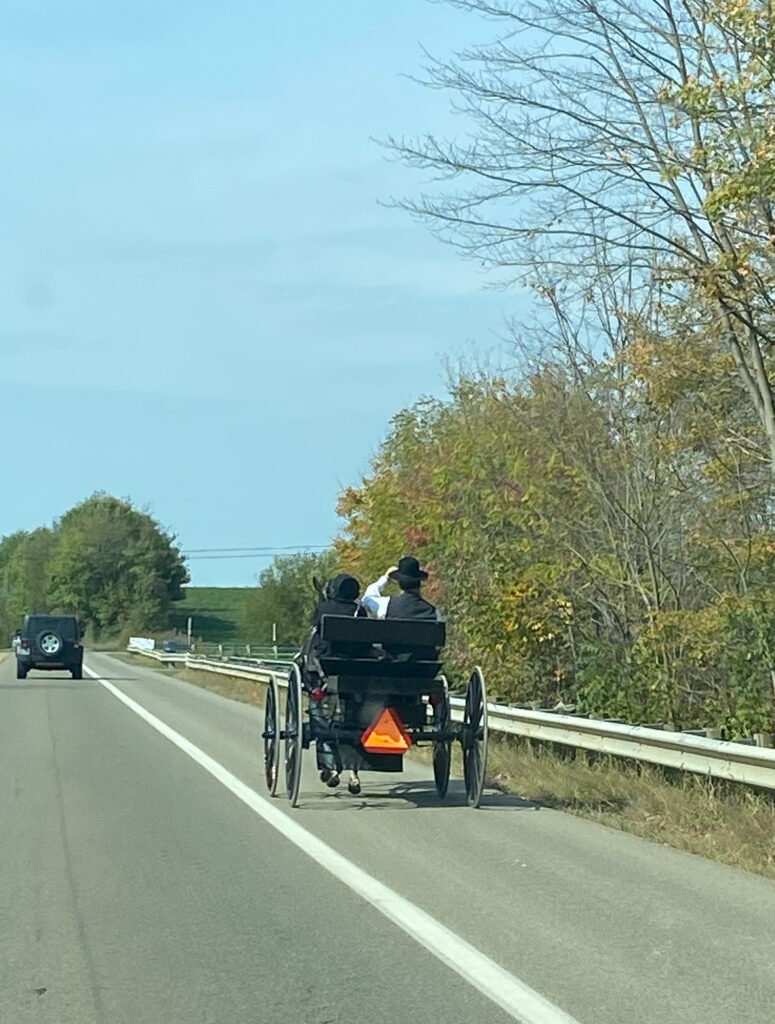
- I also drove from Fayetteville, North Carolina to Oakland, California in 2007. For that 2,850-mile trip, I planned four overnight stops. Those stops not only gave me needed rest, but I was able to experience four different local areas along the way and enjoyed it.

None of these are legal requirements. Nobody’s checking. That’s the entire point of a personal minimum — it holds even when nobody’s watching and nothing but your own judgment is enforcing it.
The Pre-Trip Checklist
This part comes straight out of habits I built long before I ever got behind the wheel for a road trip — pre-combat checks, translated into civilian life. Before any long drive, I go through the same list every time:
- First aid kit
- Jumper cables
- Spare tire, inflated and accessible
- All lights working — headlights, brake lights, turn signals
- Water and food in the car
- Route reviewed in advance, including where the tolls are
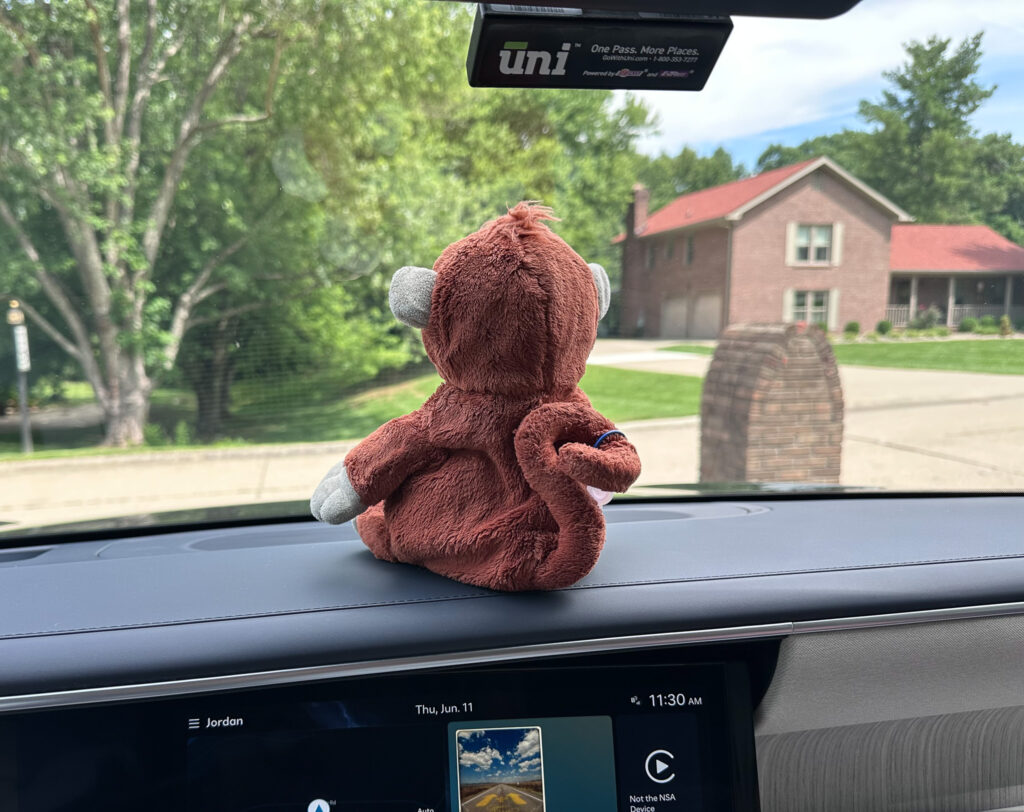 On that last point — I carry a multi-state toll transponder that covers more than 20 states, which has saved me more than once from getting stuck figuring out an unfamiliar toll system mid-drive. Small thing, but it’s one less unknown on the road.
When to Tighten Your Minimums
Personal minimums are not fixed. The whole idea is that you adjust them downward — get more conservative — when conditions call for it. A few situations where I tighten mine:
- Unfamiliar roads, especially driving abroad. Driving on the left in England and Scotland is a good example — the learning curve is real, and I gave myself a much shorter daily driving limit and far more buffer time the first several days than I would on familiar roads at home.
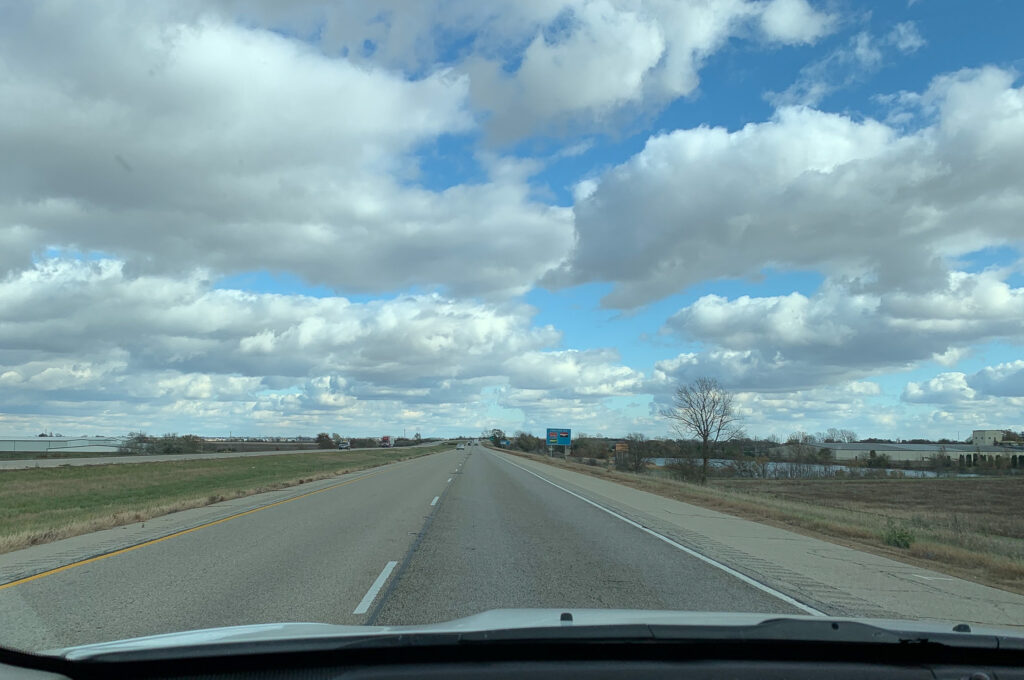
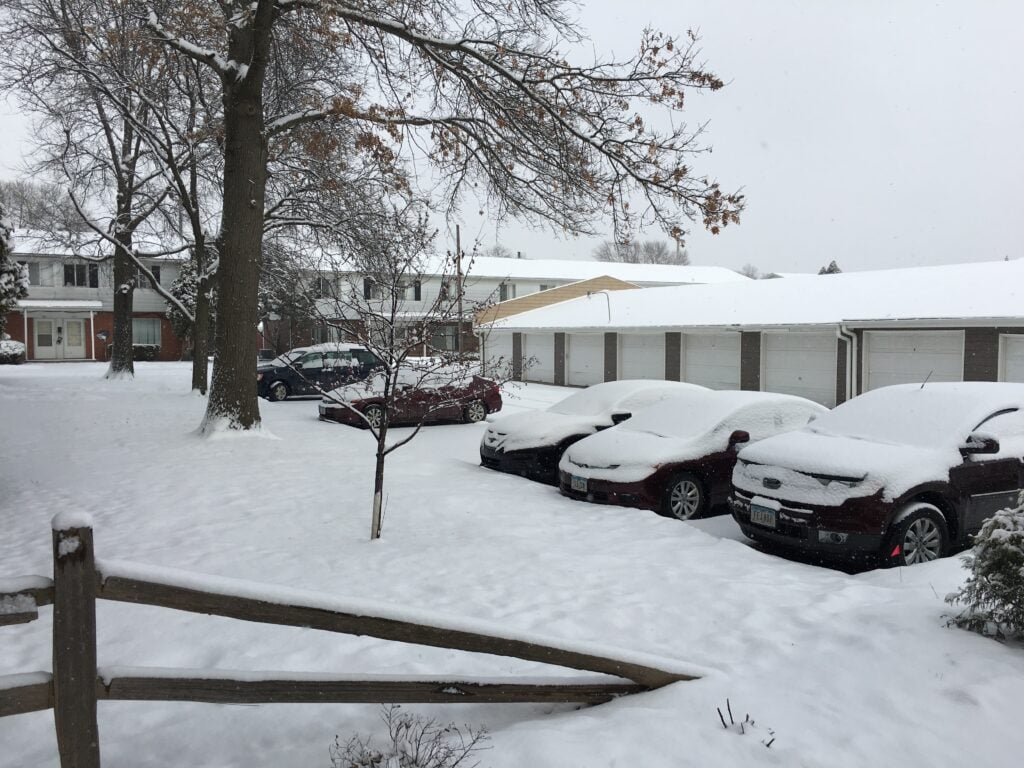
- Weather. Rain, snow, fog — any of it is a reason to shorten the day, not push to make up time. While I lived in Kentucky when my mom lived in Iowa, I would take a long weekend every three months and drive the 550-mile trip to see her. November often brought winter and icing conditions.
- Unfamiliar vehicle. A rental car you’ve never driven, especially with an unfamiliar transmission or controls, calls for the same caution as unfamiliar roads. Especially when you are in an unfamiliar big city.

The Bottom Line
The value of personal minimums isn’t that they make you a worse or slower traveler. They make you a better driver by taking the riskiest decisions off the table before you ever have to make them under pressure. Set your limits before the trip starts, not somewhere on the highway when you’re four hours past tired and telling yourself you’re fine to keep going. You’ll get where you’re going either way — the only question is: how much margin you gave yourself to get there safely.

Buddy and Jordan
Do you have a favorite road trip or have you driven cross-country? Share your destination in the comments. And for more travel tips, subscribe to our Newsletter — new posts every week.